
As the chill of winter sets in, even the most experienced drivers must adapt to the season’s unique challenges. Snow, ice, and freezing temperatures can turn routine journeys into risky ventures. While you may have years of driving under your belt, winter demands a refreshed mindset and a few practical habits to keep you safe and your vehicle in top shape.
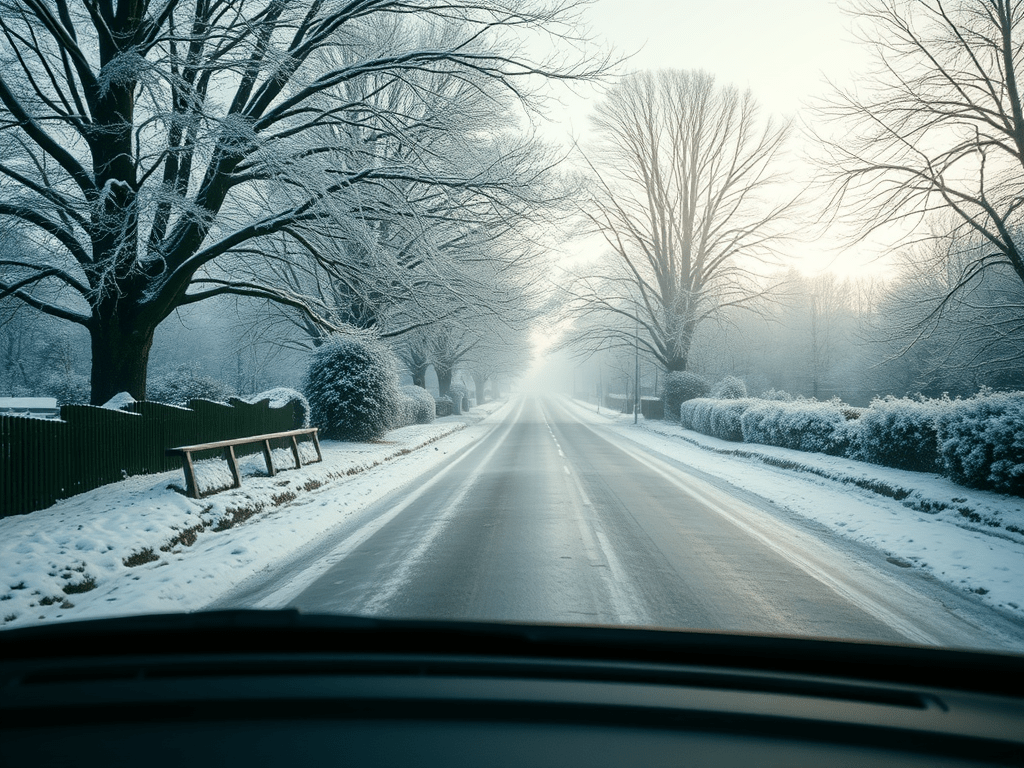
1. Respect the Road Conditions
Black ice, slush, and reduced visibility are common winter hazards. Always reduce your speed, increase following distance, and avoid sudden braking or sharp turns. Even with advanced driving skills, physics wins on icy roads.
2. Tyre Check Is Non-Negotiable
Ensure your tyres have adequate tread depth—at least 3mm is recommended for winter. Consider switching to winter tyres if you frequently drive in snowy or icy conditions. Proper tyre pressure is also crucial, as cold weather can cause it to drop.
3. Battery Health Matters
Cold weather puts extra strain on your car battery. If it’s more than three years old, have it tested. Keep jumper cables or a portable battery booster in your boot—just in case.
4. De-Icing Done Right
Never use boiling water to de-ice your windscreen—it can crack the glass. Instead:
- Use a proper de-icer spray or rubbing alcohol solution.
- Keep a quality ice scraper handy.
- Cover your windscreen overnight with a frost guard or even a towel to prevent ice buildup.
Also, don’t forget to clear snow from your roof, lights, and mirrors—it’s not just about visibility, it’s about safety for everyone on the road.
5. Fluids and Wipers
Top up your windscreen washer fluid with a winter-grade solution that won’t freeze. Check your wiper blades for wear and replace them if they smear or skip. Visibility is everything in winter driving.
6. Emergency Kit Essentials
Even seasoned drivers can get stuck. Equip your car with:
- A blanket
- Torch with spare batteries
- Snacks and water
- First aid kit
- Shovel and traction aids (like sand or cat litter) can be very useful if they are needed.
7. Plan and Prepare
Before heading out, check the weather and traffic reports. Let someone know your route and expected arrival time. Keep your phone charged and carry a power bank.
Ask yourself… Is my journey necessary?
 Devon Training (Driver and Rider)